
Electric Vehicle Car Audio Upgrades: Why Silent Cabs Demand Better Bass in 2026
Upgrading the audio in an electric vehicle requires a completely different approach to subwoofers and DSP tuning. Here is how to build a system when you have no engine noise to hide behind.
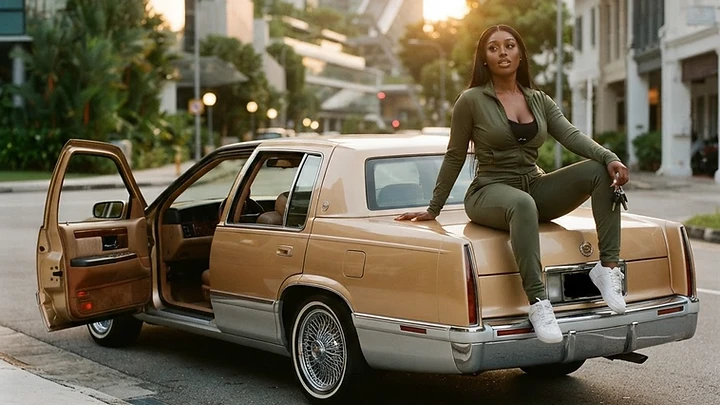
I still remember the smell of unburnt fuel and hot voice coils at my first car meet in 2008. We used to tune our systems to overpower the aggressive rumble of cammed V8s and straight-piped exhausts. You could hide a lot of sloppy midbass behind the drone of a combustion engine. Today, sitting inside a 2026 EV, the game has completely changed. The cabin is dead silent. When you drop a heavy bass track in a modern electric vehicle, there is absolutely nowhere for bad audio to hide.
Key takeaways
- Electric vehicles lack engine noise, meaning your system requires a much lower noise floor and precise DSP tuning.
- High-efficiency Class D amplifiers are mandatory to protect the fragile 12V accessory systems in modern EVs.
- Factory EV audio systems use complex A2B networks that require specialized integration modules, not cheap line output converters.
- Shallow-mount, high-excursion subwoofers like the DC Audio DC-M3 6 are dominating EV builds due to strict space constraints.
Editor's Pick
Recommended Class D monoblock amplifier
The Death of Engine Noise Changes Everything
For decades, car audio enthusiasts fought a losing battle against road noise and exhaust drone. We threw thousands of watts at heavy subwoofers just to feel the low end on the highway. Now, the electric vehicle revolution has handed us the quietest listening environments we have ever seen. But this silence is a double-edged sword.
Without the masking effect of a gas engine, you hear every single flaw in your system. Alternator whine is gone, but ground loops and digital clocking errors from cheap gear sound like a siren. If your amplifier has a high noise floor, you will hear a constant, maddening hiss between tracks. This is why slapping a budget amp into a Tesla or a Mustang Mach-E is a rookie mistake. You need equipment with a signal-to-noise ratio of at least 100 dB to keep that dead-silent background intact.
Power Consumption and the 12V Problem
Here is a controversial truth that old-school bassheads hate to hear. You cannot just drop a 5000-watt Korean half-bridge amplifier into an EV and expect it to survive. Electric vehicles do not have traditional high-output alternators. They rely on a DC-to-DC converter to step down the high-voltage traction battery to charge a tiny 12V or 16V accessory battery.
If you pull too much current, the car's computer will throw a fault code and shut down the entire vehicle. I have seen guys brick their daily drivers at car shows because they ignored this. The trend for 2026 is extreme efficiency. We are using smart Class D amplifiers that pull half the current of older designs while delivering the same output. Upgrading your wiring is also non-negotiable. Running true OFC copper from the AAMPLIFIED gear catalog ensures you get maximum voltage transfer without stressing the factory DC converter.
Editor's Pick
Recommended high efficiency shallow mount subwoofer
OEM Integration in the Digital Age
You cannot just tap a rear speaker wire for a signal anymore. Modern EVs use digital audio buses like A2B to send signals from the infotainment screen to the factory amplifier. The days of the simple line output converter are dead.
To get a clean signal in a 2026 EV, you need a vehicle-specific digital interface. Companies like PAC and NAV-TV are building modules that intercept the digital signal before the factory amplifier ruins it with heavy equalization. Once you have that flat, full-range optical signal, you feed it directly into a standalone Digital Signal Processor.
Tuning for the EV Cabin
Because the EV cabin is so quiet, your tuning strategy has to change. You do not need a massive 10 dB boost at 40 Hz to overcome road noise. Instead, you need surgical precision. Time alignment becomes critical because you can actually hear the staging and imaging without engine interference.
This is where your source material matters more than ever. Streaming compressed audio over Bluetooth sounds terrible in a silent car. You need high-resolution files. If you are building a demo playlist, running your tracks through AAMPED Labs allows you to master the music specifically for your vehicle's acoustic signature. You can rebuild the low end to match your exact box tuning without introducing the distortion that a quiet EV cabin would instantly expose.
The Rise of Micro Subwoofers
Space is the final problem. EVs have massive battery packs under the floor, leaving very little room for traditional subwoofer enclosures. You are not fitting a massive ported box in the trunk of a Rivian without sacrificing all your cargo space.
The industry has responded with incredibly capable micro subwoofers. Drivers like the newly announced DC Audio DC-M3 6-inch subwoofer are changing the math. We are putting four of these 6-inch subs in custom under-seat enclosures. They move just as much air as a traditional 12-inch sub, but they respond faster and fit into spaces that were previously impossible to use.
Frequently Asked Questions
Can I install a subwoofer in an electric vehicle?
Yes, but you must carefully manage your power draw. Use a highly efficient Class D amplifier and ensure your total current demand does not exceed the limits of the vehicle's DC-to-DC converter.
Do I need a DSP for an EV audio upgrade?
Absolutely. Factory EV audio systems are heavily equalized to protect cheap paper speakers. A DSP allows you to correct the factory signal and tune the new speakers to the unique acoustics of a silent cabin.
Will upgrading my audio system void my EV warranty?
Modifying the 12V accessory system generally does not void the warranty on the high-voltage drivetrain. However, if your audio installation directly damages a factory component, the repair for that specific part will not be covered.
Are we finally ready to admit that the death of the combustion engine might actually be the best thing to ever happen to sound quality? Let me know what you are running in your EV down in the comments.
From AAMPLIFIED
View all gear →


Gear Mentioned in This Article
As an Amazon Associate we earn from qualifying purchasesRecommended Class D monoblock amplifier
Recommended high efficiency shallow mount subwoofer
Recommended DSP OEM integration interface
Recommended OFC 4 gauge amp kit
AAMPLIFIED is an Amazon Associate. When you buy through links on our site, we may earn a commission at no extra cost to you. Recommendations are independent and based on the gear discussed in this article.
Related topics:
Rep the culture. Browse AAMPLIFIED apparel and gear for car audio enthusiasts.
aamplified.store →Reactions
Comments (1)
my pioneer sub setup definitely sounds muddy right now since i have no engine noise to hide behind. i get the point about the dc to dc converter limitations, but how do you measure the total current draw safely before adding the dsp and a new amp in my ev?
Ready to Master Your Tracks?
Upload your music and get professional bass enhancement tuned for car audio.
Get Started Free